Emergencies
- Emergencies
Our Services

Price Guide – General Maintenance
Item
011 0- Checkup
022 – X-Ray
114 – Clean
Fillings
Cost
60
35 – 73
195
250-350
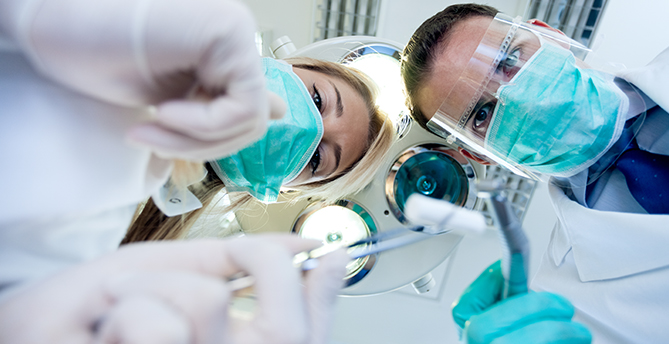
Knocked out tooth
More and more sports are making mouthguards a priority which is decreasing the incidence of accidents. Although leisure activities such as skateboarding, roller blading, etc, are adding to the problem. Also people with prominent teeth have a higher incidence of tooth damage occurring. Acting quickly when a tooth is lost can save the tooth. It’s important that you see us as soon as you can and we will prioritise these cases to be seen on the day.
We take detailed digital records to track any changes and predict potential issues in the future so we can minimise any adverse outcomes in the future.
We recommend a thorough visual inspection and cleaning every 6 months.
Although good oral hygiene at home is very important, hard tartar (also known as dental calculus) cannot be removed without a professional clean.
Tartar can get trapped in the pocket between the gums and the teeth. Untreated tartar will cause gum inflammation (gingivitis) in the short term and will cause receding gum disease (periodontitis) in the long term. The calculus is removed with a professional sonic scaler and usually causes minimal discomfort. If your teeth are especially sensitive we can always provide you with options such as conscious sedation (Valium) or local anaesthetic.
Professional cleans will also get rid of those hard to remove tea, coffee and red wine stains!
What to do
The most important thing to do is to get the tooth back into its socket as quickly as possible. The longer the tooth is out of its socket decreases the chances of success.
Always remain calm. Once the tooth has been found then see how dirty it is. The best solution to clean a tooth is in milk or saline solution. Gently rinse the tooth. DO NOT SCRUB IT CLEAN, as you will remove the bony attachment from the tooth, and do not touch the root surface.
To put it back in place, you will need to use the other teeth as a guide and make sure the tooth is facing the right way. Push the tooth back into its socket using a quick, forceful motion until the tooth is in the right place.
If you cannot put the tooth back into place the best solution to store the tooth is in milk or saline solution. Otherwise place the tooth in the patient’s mouth next to the cheeks. This will keep the bony attachment cells on the tooth alive and increase the chances of success.
A dentist will need to be seen immediately. They will either place the tooth into position for you or see whether you have done a good job. The tooth will then be splinted to the other teeth to hold it in place.
Follow up visits will be made to determine the treatment plan for the tooth. In many cases root canal therapy will have to be performed. Just remember that the chances of success are higher the quicker the tooth is placed back into its socket.
Toothache
Toothaches are normally worse at night as everything becomes quiet and all you have to concentrate on is that pain. As you lie down and try to go to sleep the blood rushes to your head and stimulates the pain receptors in the area, causing more pain.
There are many remedies that people use to relieve tooth pain, such as hot packs, cold packs, tooth drops, salt water, mouth washes etc. Unfortunately, you will have to try these and see which one works best for you.
Painkillers can also be useful. You will have to read the directions and warnings on the packets to see which painkiller is suitable for you, or speak to a pharmacist. We recommend a combination of both pararcetamol and ibuprofen taken together for added effect if you are generally ok to take this medication. Ibuprofen should not be taken for anyone with reflux or asthma.
Most importantly, make an appointment to see your dentist immediately to assess and treat the problem. Most chronic toothaches are fundamentally injuries to the dental nerve and may require nerve treatment(root canal work). Simple dental cavities generally do not ache unless they have progressed without intervention by your dentist for more than a few months. Time is of the essence with any toothache to reduce nerve damage.